The cortisol cocktail, ingredient by ingredient
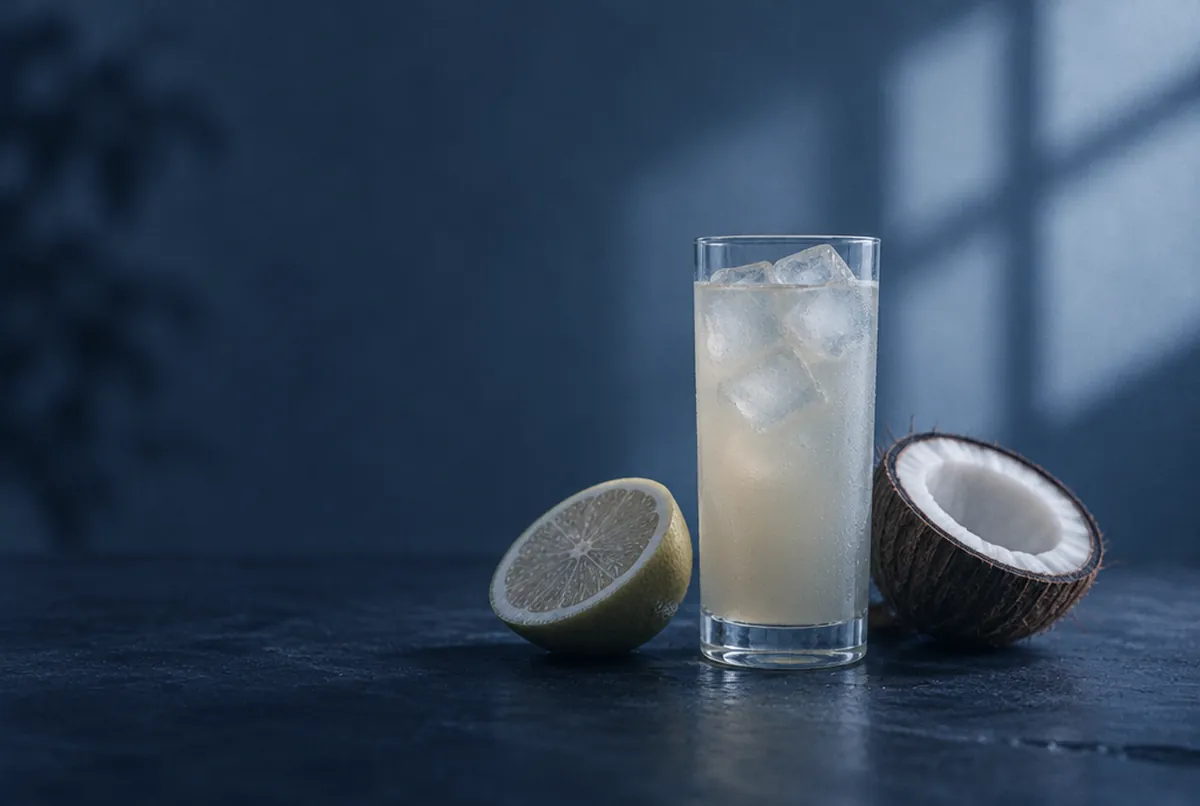
Orange juice, coconut water, a pinch of salt, sometimes a spoon of cream of tartar. The drink is everywhere, and it is sold on a promise about cortisol. We went looking for the evidence behind each part of the glass.
contentsWhat goes in the glass
Key points
- We found no published trial of the cortisol cocktail as a drink, so any claim about what it does to cortisol is untested.
- Orange juice and coconut water add potassium and sugar. Salt adds sodium, which most adults already eat plenty of.
- Cream of tartar is very rich in potassium. A recent medical case report links a large dose to cardiac arrest.
- People with kidney disease, or taking certain blood pressure medicines, should check with a clinician before adding potassium.
- The drink grew out of the adrenal fatigue idea, which hormone specialists do not recognize as a medical condition.
What goes in the glass
The versions shared online are close cousins. Most start with orange juice and coconut water, add a pinch of salt, and some add a spoon of cream of tartar. It is usually drunk mid-morning or mid-afternoon, and it is sold with a simple story: feed your adrenals, calm your cortisol, stop the afternoon crash.
Older posts called the same drink an adrenal cocktail. The renaming tracked the internet’s move from “adrenal fatigue” to “high cortisol”. The recipe barely changed.
The evidence for the drink itself
We searched for a study that gave people this drink and measured their cortisol. We did not find one. That matters because cortisol shifts across the day on its own, and responds to sleep, illness, routine and mood.[9] Feeling different after a glass is not the same as a measured change.
The original premise does not hold up well either. When researchers pooled 58 papers on adrenal fatigue, none of them established it as a genuine medical condition,[22] and the Endocrine Society says there is no scientific proof for it.[23] So the glass was designed around a diagnosis that specialists do not use.
Ingredient by ingredient
With no trial of the whole glass, the honest approach is to look at each part on its own.
table · what each part brings
| Ingredient | What it adds | Worth knowing |
|---|---|---|
| Orange juice[45] | Potassium, vitamin C and natural sugar | Listed by the NIH as a potassium source. Adults are advised 2,600 mg (women) or 3,400 mg (men) a day |
| Coconut water | Potassium, some sugar, fluid | A pleasant drink. We found no study linking it to cortisol |
| Salt[46] | Sodium. Salt is 39% sodium by weight | US guidance is to stay under 2,300 mg of sodium a day from age 14 |
| Cream of tartar[44] | A lot of potassium. 100 g holds 16.5 g of it | Linked to dangerous blood potassium in a 2025 case report |
Seen this way, most of the glass is a juice with a pinch of salt. Nothing wrong with that as a drink. It just does not carry the hormonal promise attached to it.
The one to take seriously
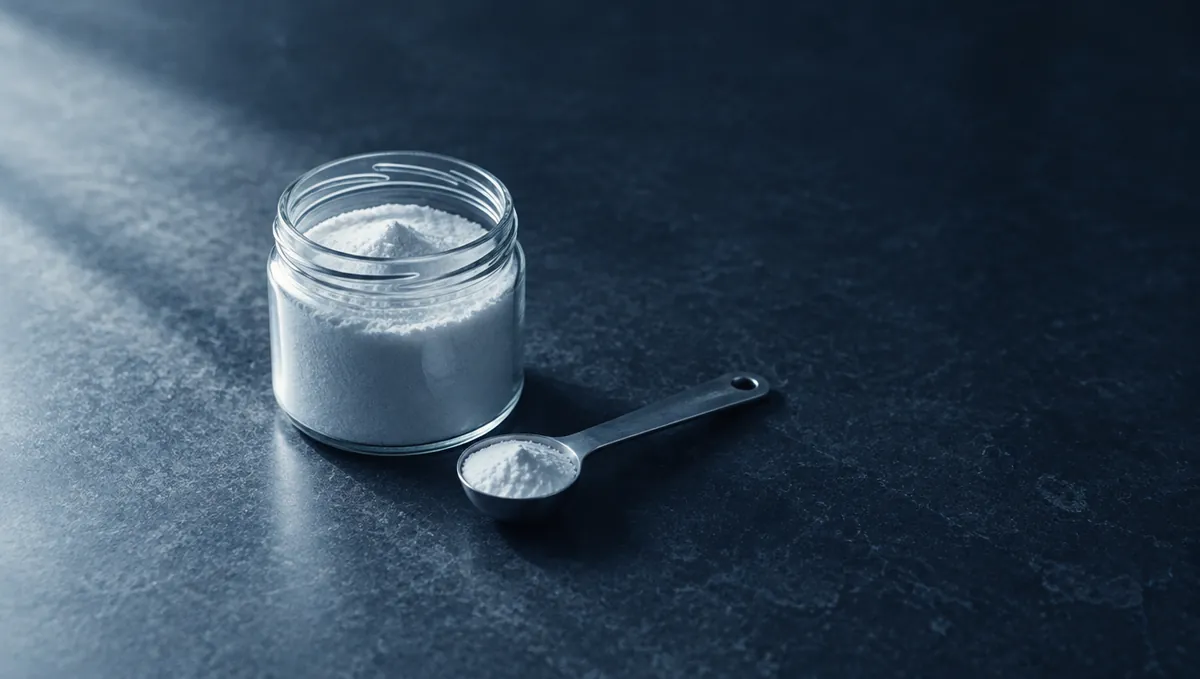
Cream of tartar is a baking powder ingredient, and potassium makes up a large share of its weight. In 2025 the Medical Journal of Australia reported a woman who swallowed a large amount as a home remedy. Her blood potassium climbed to a dangerous level and her heart stopped.[44]
That case involved a far bigger dose than any cocktail recipe, and a single case cannot tell us how common harm is. It does show the ingredient is not inert. Doubling a spoonful “for a stronger effect”, or taking it on top of potassium tablets, is the wrong instinct.
Who should skip it
For healthy people with normal kidneys, potassium from food has not been shown to cause harm.[45] The picture changes for some groups. The NIH lists these as at risk of high blood potassium:
- People with kidney disease.
- People taking ACE inhibitors or ARBs, two common types of blood pressure medicine.
- People taking potassium-sparing diuretics.
If any of those apply, talk to your doctor or pharmacist before adding cream of tartar or extra potassium of any kind. Anyone watching sodium for blood pressure reasons should also count the salt.
Why people say it helps
A mid-afternoon drink with sugar and fluid, taken during a pause from a screen, may well feel good. That is a fair reason to enjoy one. It is not evidence about cortisol, and it is not a substitute for looking at the things that are known to shift it, such as sleep, caffeine and light.
If the afternoon slump is what brought you here, the detox piece covers the levers with real data. And if the crash comes with persistent exhaustion, weight change or low mood, a doctor can test properly. Cortisol disorders are diagnosed with more than one test, never from a single reading.[24]
Seen a viral recipe? We will check it.
Join the free list and get our plain reads on the drinks, hacks and trends in your feed.
Sources
- Cadegiani & Kater, 2016. Adrenal fatigue does not exist: a systematic review. BMC Endocrine Disorders.
- Endocrine Society, 2022. Adrenal Fatigue. Endocrine Society.
- NIH ODS, 2021. Potassium: Fact Sheet for Consumers. Office of Dietary Supplements (NIH).
- FDA, 2024. Voluntary sodium reduction goals (Edition 2): guidance for industry. U.S. Food and Drug Administration.
- Ng et al., 2025. Hyperkalaemic cardiac arrest due to cream of tartar ingestion. Medical Journal of Australia.
- Fries et al., 2009. The cortisol awakening response (CAR): facts and future directions. International Journal of Psychophysiology.
- NIDDK, 2018. Cushing's Syndrome. National Institute of Diabetes and Digestive and Kidney Diseases (NIH).
This article is educational and isn’t medical advice. It was written and checked by the UNWIRE™ editorial team; no clinician has reviewed it yet. UNWIRE™ is a nutrition company, and this article does not describe any product.
Pass it on
Ask us about this article
Something here unclear, or a question it didn’t answer? Write it below. The button opens your own email app with the question ready to send to support@tryunwire.com. We answer by email, and we may publish good questions as edited Q&As, with names and personal details taken out.